
BCoD 2026 SPEAKERS
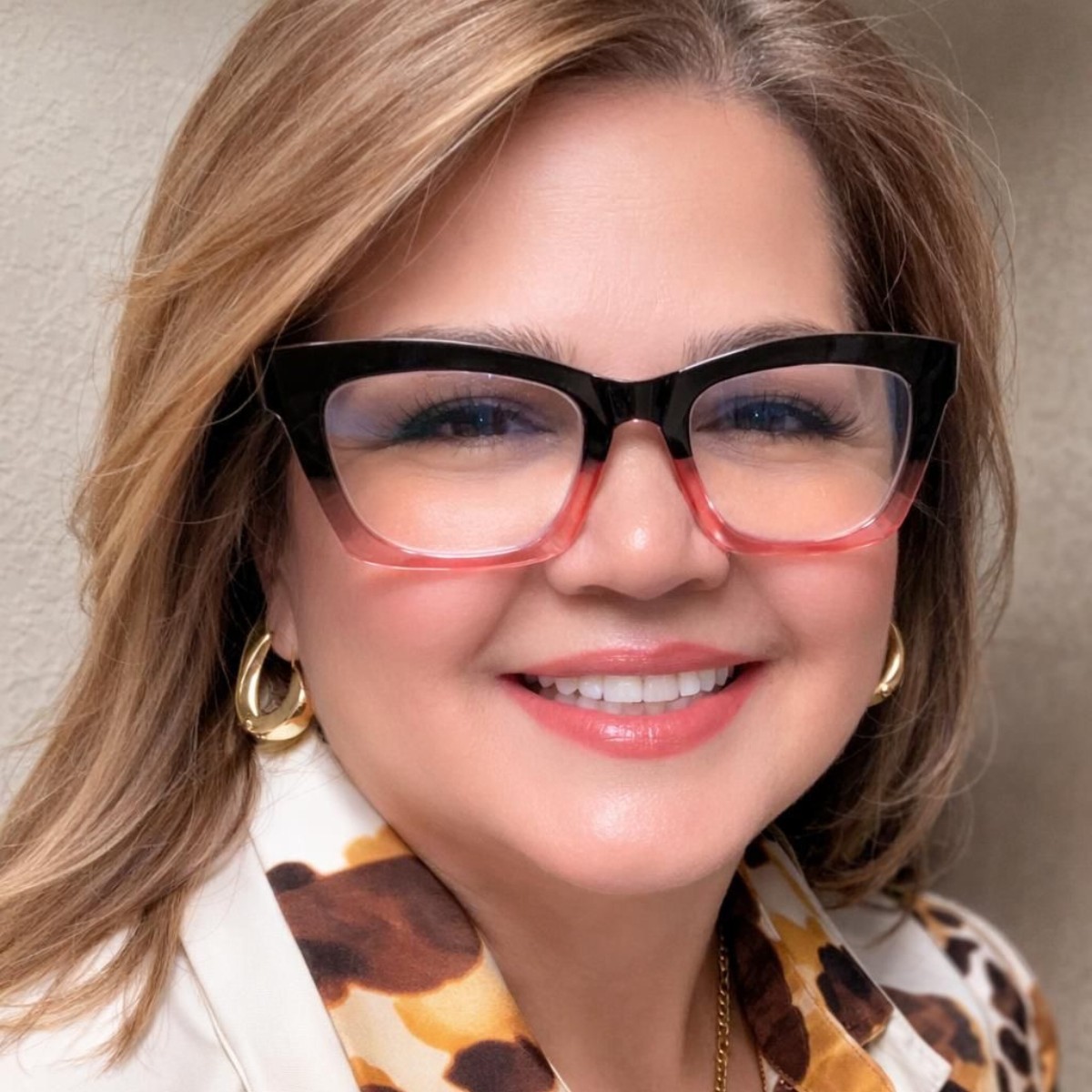
Veronica Cabassa
Founder & CEO – VC BioAdvocate Consulting
Session
Session Title: The Power of Change: Transforming Prior Authorizations into Patient Advocacy
Session Description: Prior authorizations are often seen as administrative barriers, but in reality, they are opportunities to create meaningful change in patient care.
In this session, Veronica Cabassa, Founder & CEO of VC BioAdvocate Consulting, shares a powerful shift in perspective by using prior authorizations as a tool for advocacy, efficiency, and
Impact. Drawing from over 15 years of experience in dermatology and pharmacy, Veronica introduces her V.C.A.R.E. Method—Verify, Collaborate, Advocate, Resolve, Expedite.
Human-centered approach that helps providers and pharmacies overcome denials, streamline approvals, and improve patient outcomes.
This session goes beyond workflows and checklists. Attendees will leave with actionable strategies, real-world insights, and a renewed mindset: every prior authorization holds the power to change a patient’s life.
Biography
Veronica Cabassa is the Founder & CEO of VC BioAdvocate Consulting, specializing in biologics and prior authorizations. With over 15 years of experience in dermatology and pharmacy, she is known for building efficient prior authorization processes and advocating for patients to gain access to life-changing treatments.
She has worked with over 15 medical offices and specialty pharmacies, helping navigate complex insurance requirements, reduce denials, and improve approval outcomes. Veronica is the creator of the V.C.A.R.E. Method, a proven system focused on verification, collaboration, advocacy, resolve, expedite.
Her mission is simple yet powerful: to be the voice for patients and ensure no one is left waiting for the treatment they need.
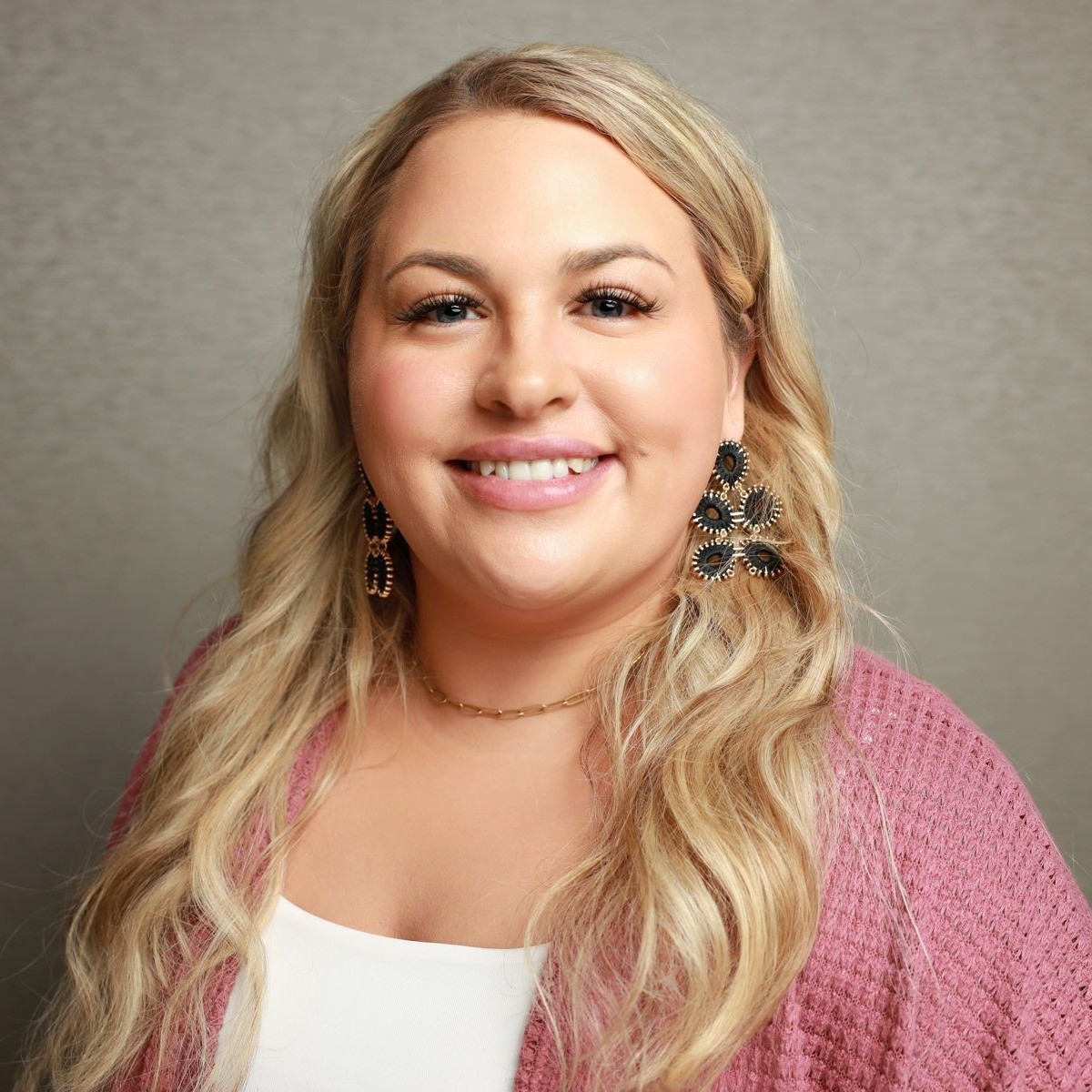
Racheal Cooley
PA Coordinator – Pine Belt Dermatology
Session
Session Title: More Than a Signature: Why Provider Involvement Matters in Prior Authorizations
Session Description: Provider involvement in the prior authorization process—especially when working with a biologic coordinator—is critical for both patient access and clinical accuracy.